
With nearly 30 years of service as a professional moving company in Santa Clarita, CA, our reliable moving team has heard more than its fair share of troubling stories. Customers quoted one price, only to receive an invoice for double the amount at delivery. Belongings held hostage in a truck until the homeowner agreed to pay more. A mover hired for an interstate job that turned out to have no valid license to perform it. These are not isolated incidents. Moving scams are a well-documented problem across California, and Santa Clarita is no exception.
We want people to know what to look for before they hire anyone, including us. An informed customer asks better questions, and better questions lead to better outcomes.
The Lowball Estimate That Changes at Delivery
This is the most common moving scam operating in California. A company provides a price over the phone that comes in noticeably lower than every other quote the customer received. The customer books based on that number. On moving day, the crew loads everything onto the truck. Then, at delivery, a new invoice appears with charges that were conveniently absent from the original estimate: fuel surcharges, long-carry fees, stair fees, charges for materials.
At that point, the customer’s belongings are on a truck. The pressure is real.
The protection is straightforward. Do not accept a phone estimate as a binding price. A legitimate mover sends someone to your home, walks through every room, sees exactly what is being moved, and produces a written estimate based on what was actually there. We do this for every job we take on. Our written estimate is the number that holds, and we have reviews across Google and Yelp from customers whose final cost came in at or under what we quoted. That pattern does not happen by accident.
Hostage Load Situations: When Belongings Are Held for More Money
The hostage load scenario happens when a company takes possession of your belongings and then demands additional payment before releasing them at the destination. It is a federal violation for interstate moves under FMCSA regulations. That legal fact does not make it less common.
This scam typically follows a lowball estimate. The company loads the truck, drives to the destination, and presents a new invoice significantly higher than the original quote. The customer, with no access to their belongings, is in a position with few options.
The protections here are layered. Verify the company’s license independently before anything is loaded. Do not pay the full balance before delivery. A deposit is standard and reasonable; full payment demanded upfront before your items arrive is a warning sign worth taking seriously. Get a written contract, the bill of lading, signed before the truck leaves your property.
Rogue Brokers and the Third-Party Problem
Not every company that answers a moving inquiry actually moves anything. Moving brokers connect customers with carriers and take a fee for the referral. Some brokers work with vetted, legitimate carriers. Many do not.
The problem with a rogue broker is that you believe you are booking with the company you spoke with. On moving day, a completely different company shows up. That company may have different pricing, different standards, and no knowledge of what you were originally quoted. The broker has your deposit and no further accountability in the transaction.
Ask directly whether the company you are speaking with is a carrier or a broker. A carrier has its own trucks and crew. A broker places your move with another company. There is nothing inherently wrong with brokers as a business model, but you should know which one you are dealing with and get the actual carrier’s license information in writing before anything is signed.
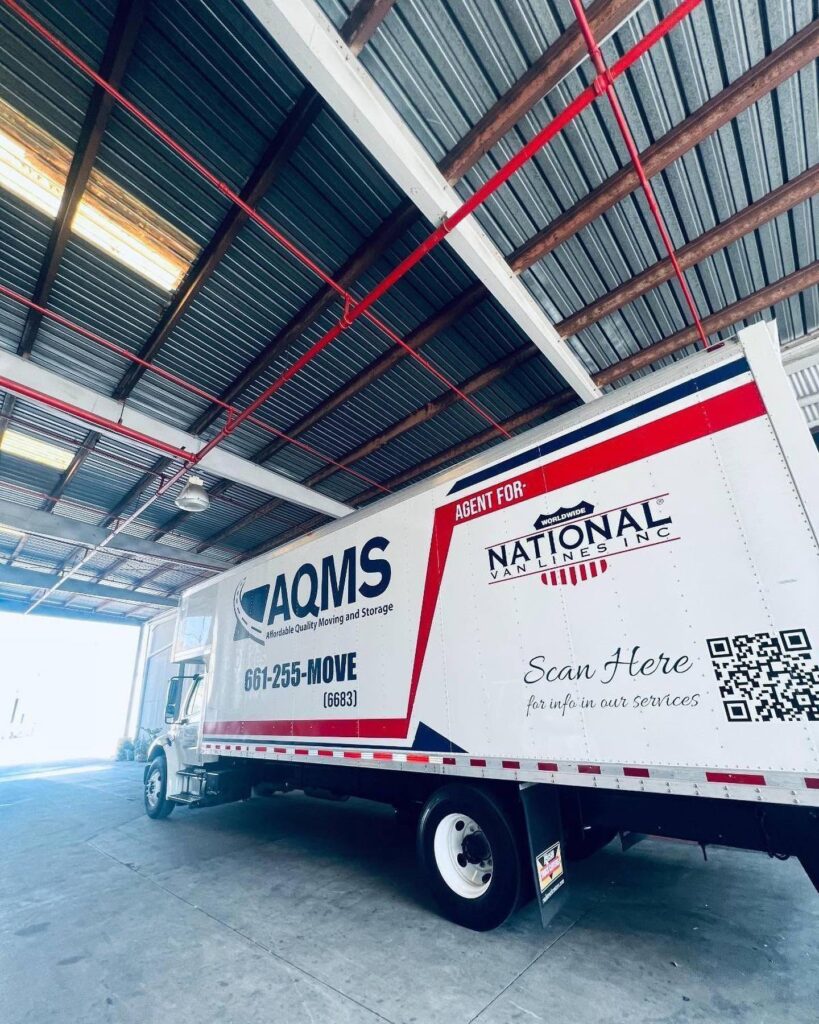
We are a direct carrier. Our crew, our trucks, and our accountability from estimate to delivery.
Fake or Expired Licenses
Operating a moving company in California without a CAL-T PUC license is illegal. Operating interstate moves without the appropriate federal registration is also illegal. This does not stop some companies from doing it anyway, primarily because they have no intention of being accountable if something goes wrong.
License verification takes about five minutes. For interstate carriers, the FMCSA maintains a public lookup tool at ai.fmcsa.dot.gov. For California intrastate moves, the California Public Utilities Commission has a searchable database at cpuc.ca.gov.
A company that cannot or will not provide its license numbers, or is vague about whether it holds the right authorizations for your type of move, is giving you a clear signal. Any legitimate mover will produce these numbers without hesitation.
Unmarked Trucks on Moving Day
Professional moving companies run marked vehicles. Trucks display the company name, and interstate carrier vehicles are required by federal law to show their DOT number. If a crew shows up in an unmarked truck with no visible company identification, that is a problem regardless of how professional the crew members seem in person.
Unmarked trucks are used by rogue operators specifically to avoid being traced. A customer with a complaint cannot report a company they cannot identify.
This is a visual check that takes one second on moving day. If the truck is unmarked, ask why before anything gets loaded.
What to Do Before You Hire Anyone
Most moving scams succeed because customers are in a time-pressured situation and are comparing options quickly. Slowing down on a few specific points makes most of these scenarios avoidable.
Get an in-home estimate, not a phone quote. A company that produces a firm price without seeing what is being moved is either guessing or setting you up for a different number at the end.
Verify licenses independently through the FMCSA and CPUC databases. Do not rely on what a company says about itself.
Read reviews for specifics, not just star counts. Look for reviews that name crew members, describe the move process, and come from identifiable customers. Vague, enthusiastic reviews with no details are less informative than a thorough account from a named reviewer.
Ask whether the company is a direct carrier or a broker, and if a broker, which carrier will handle the move.
Do not pay in full before delivery.
We have operated in Santa Clarita since 1996, and the business we have built here runs on a straightforward principle: provide an accurate estimate, send a trained crew, and deliver what we said we would. An industry with a real trust problem makes it harder for legitimate companies to do their jobs. The best response to that is transparency, and the most useful thing we can offer anyone evaluating movers is honest information that helps them make a good decision, regardless of who they ultimately hire. You can learn more about how we work at aqmsnationalmoving.com.
Related Topics: